

After reading The ABC of Work Motivation, Gerhard Berz,
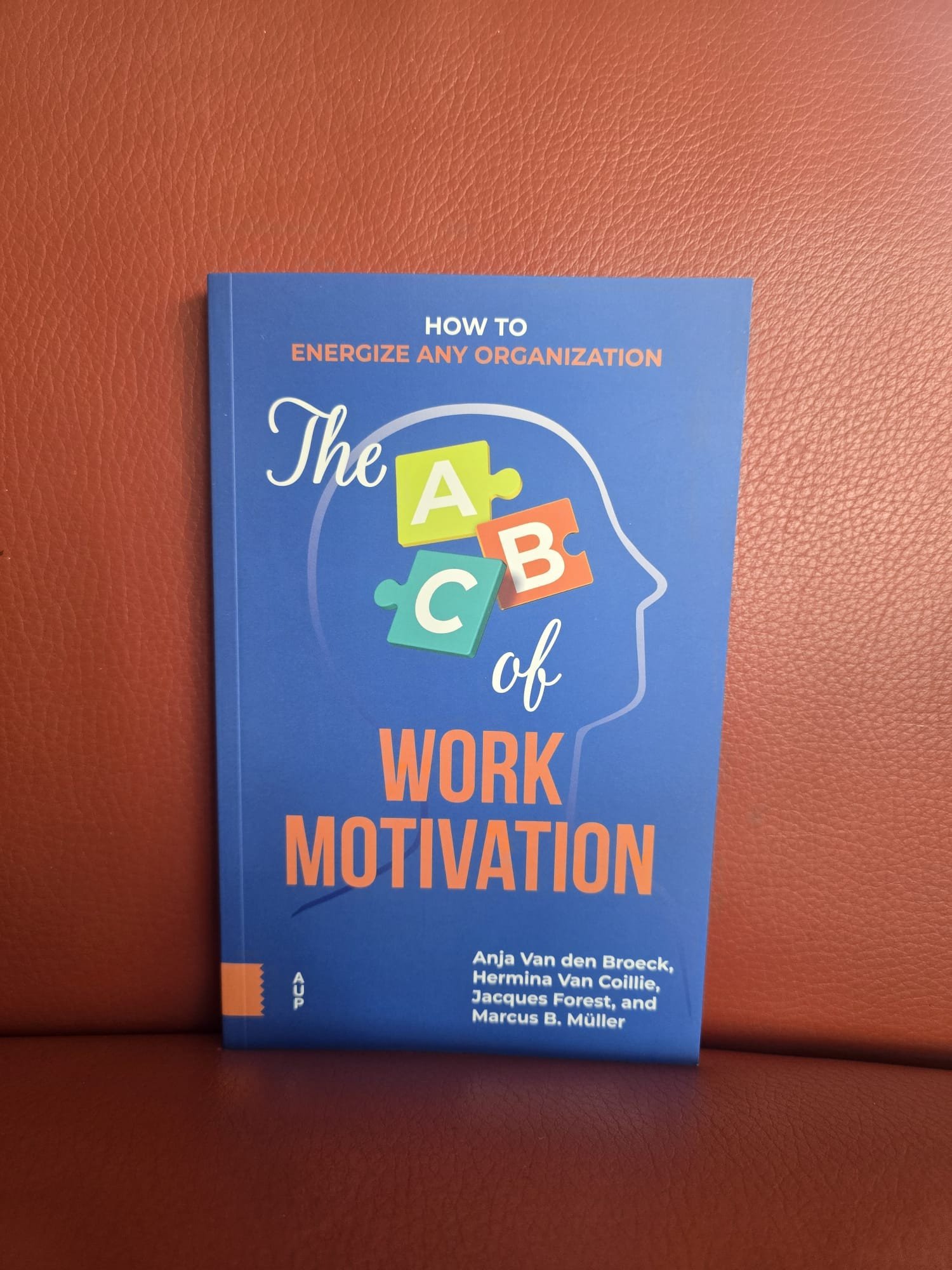
After reading The ABC of Work Motivation, Gerhard Berz, Head of Navigation at EUROCONTROL, sent me a wonderfully thoughtful email about the book.
And he was very honest about it.
He actually lost interest for a while during the parts about financial rewards:
“I did lose interest a bit in the parts that discuss how financial rewards and such don’t work very well (since I already agree with that).”
Fair enough. 😄
He then picked it up again after a few months and especially liked the latter parts about what does work.
One of his observations really stayed with me:
“When dealing with people, simple and straightforward principles work the best.”
He explained that the book helped him put clearer words around something he already believed:
“I found the book was spelling out more clearly [...] what I already believe in, simply because I can relate to what motivates me and how I like to be treated at work.”
And perhaps that is one of the nicest things someone can say about a book grounded in research.
Not necessarily: I had everything wrong and now I know better.
But rather: this helps me understand more clearly why certain things work, and gives me a framework for applying them more consciously.
Gerhard also wrote:
“I appreciated the principles described as they helped me to better understand and capture what I believe in / can relate to and to know that it was actually grounded in and supported by research results.”
And then he introduced an idea I particularly liked: “fault tolerance” in a working relationship.
His example was beautifully simple:
“When someone in my team does something I don’t like, I first go ask why the person did it the way he or she did it.”
Why?
Because:
“I learned that by first asking instead of judging, you usually find out something that you were not aware of.”
That one sentence says a lot about motivating leadership.
Someone may have had information you didn’t have.
They may have understood the situation differently.
They may have seen a risk you hadn’t considered.
Or there may simply have been something going on that you knew nothing about.
Asking first doesn’t mean that anything goes.
It doesn’t mean you can’t disagree, correct something or set a clear expectation afterwards.
But it changes the conversation.
And it can make an enormous difference to Autonomy, Belonging and Competence: whether people feel respected, whether they dare to explain what happened, and whether a mistake becomes something they hide or something they can learn from.
Gerhard himself linked this directly to the ABC:
“I think this helps a lot to maintain an ABC type of environment.”
And I smiled at his final comment too:
“I’m putting the book on my shelf at work and will for sure look at it from time to time to remind myself, for example what the ABC stands for, I did have a tendency to forget that.”
That is absolutely allowed, Gerhard. 😄
If the book occasionally comes off the shelf and makes someone stop before judging, ask one more question, or think a little more consciously about how they motivate their people, I’m already very happy.
Thank you, Gerhard, for such an honest and thoughtful reflection and for allowing me to share it.